
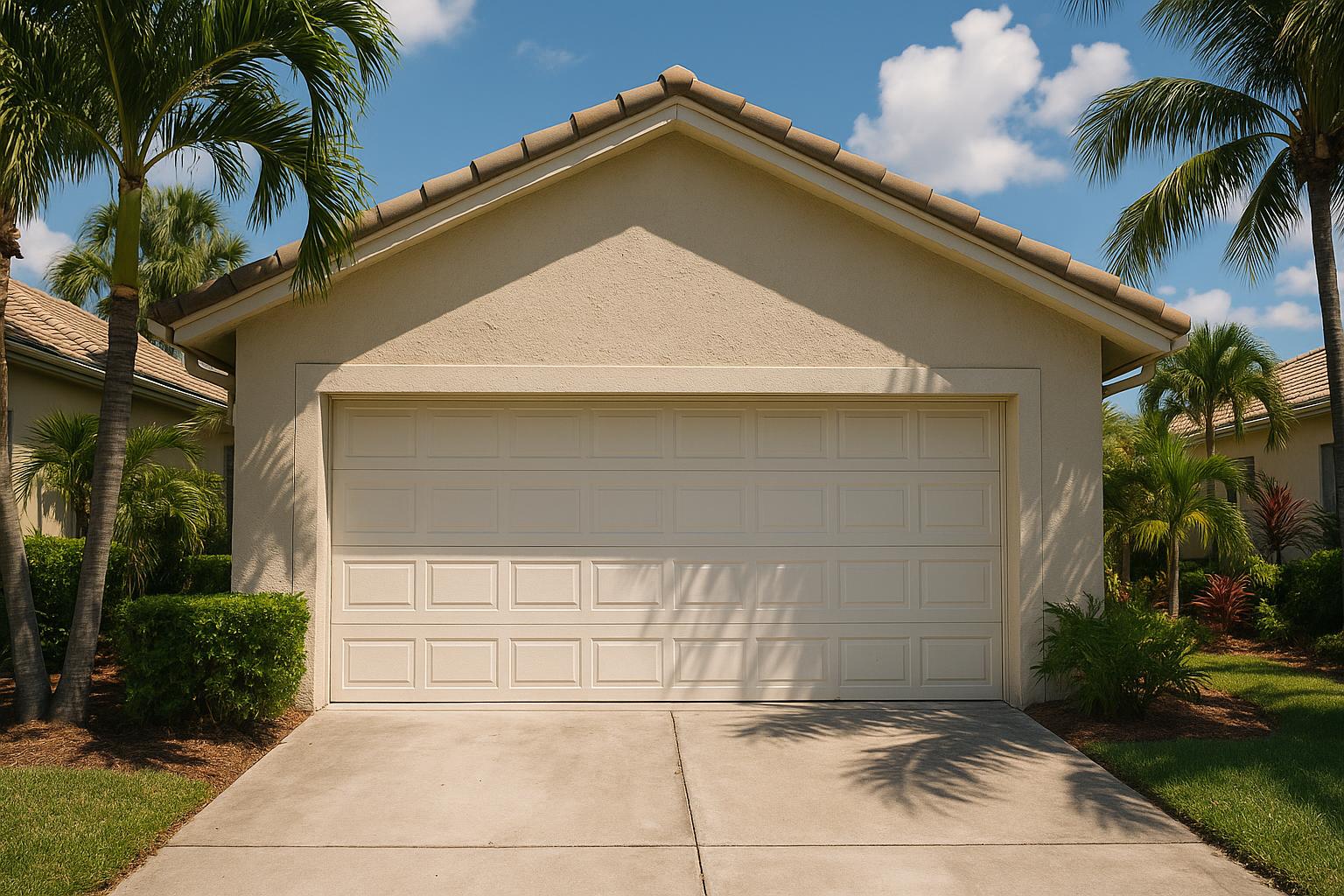
Your Garage Door vs. South Florida's Climate
Living in North Lauderdale means enjoying sunshine nearly year-round — but that same heat and humidity that draws people to South Florida can wreak havoc on your garage door system. From warping panels and rusting hardware to overheating openers, the subtropical climate creates unique challenges that homeowners in cooler regions never have to think about.
If you've noticed your garage door sticking, moving slower than usual, or showing signs of rust and deterioration, the weather may be a bigger factor than you realize. Here's a closer look at how South Florida's climate affects your garage door and what you can do to keep everything running smoothly.
How Heat Affects Your Garage Door
Metal Expansion and Alignment Issues
When temperatures climb into the 90s — which happens regularly from May through October in North Lauderdale — the metal components of your garage door system expand. This includes the tracks, springs, hinges, and even the door panels themselves if you have a steel door. That expansion can cause the door to bind in its tracks, move unevenly, or make grinding sounds as it opens and closes.
In most cases, the door returns to normal operation once temperatures cool down in the evening. But repeated thermal cycling — expanding during the day and contracting at night — gradually loosens hardware and can knock tracks out of alignment over time.
Garage Door Opener Overheating
Your garage door opener has a motor, and like any motor, it generates heat. When it's already 95 degrees in your garage (which can easily reach 120 degrees or more without ventilation), that motor has to work much harder to stay within safe operating temperatures. Many modern openers have a thermal protection feature that shuts the unit down temporarily if it overheats.
If your garage door opener stops working during the hottest part of the day but seems fine in the morning or evening, overheating is likely the culprit. This is especially common in garages that aren't insulated or lack any airflow.
Weatherstripping Breakdown
The rubber weatherstripping along the bottom and sides of your garage door is your first line of defense against rain, insects, and debris. Prolonged UV exposure and extreme heat cause this material to crack, harden, and shrink over time. Once the seal is compromised, water can seep in during Florida's afternoon thunderstorms, and your energy bills may increase as cooled air escapes from your home through the garage.
How Humidity and Rain Cause Damage
Rust and Corrosion
North Lauderdale's proximity to the coast means the air carries moisture and salt, both of which accelerate rust and corrosion on metal garage door components. Springs, hinges, rollers, and tracks are all vulnerable. Rust doesn't just look bad — it weakens metal parts, increases friction, and can eventually lead to component failure.
Torsion springs are especially susceptible. A rusted spring loses flexibility and is more likely to snap without warning, which is both dangerous and inconvenient.
Wood Door Swelling and Warping
If you have a wooden garage door, humidity is your biggest enemy. Wood absorbs moisture from the air, causing it to swell and warp. A warped garage door won't sit flush in its frame, creating gaps that let in water and pests. Over time, the added weight from moisture absorption puts extra strain on your springs and opener motor.
Mold and Mildew Growth
A garage that stays warm and damp is a perfect breeding ground for mold and mildew. This can develop on wooden door panels, along weatherstripping, and even on the walls and floor near the door. Beyond being unsightly, mold can cause health issues and create unpleasant odors that spread into your home.
Practical Tips to Protect Your Garage Door
The good news is that most climate-related garage door problems are preventable with regular care. Here's what we recommend to homeowners in North Lauderdale and surrounding areas like Coconut Creek, Margate, and Tamarac:
- Lubricate moving parts every three to four months. Use a silicone-based lubricant on springs, hinges, rollers, and tracks. This reduces friction caused by metal expansion and helps prevent rust. Avoid WD-40, which is a solvent rather than a long-term lubricant.
- Inspect and replace weatherstripping annually. Check the bottom seal and side seals for cracks, gaps, or hardening. Replacing worn weatherstripping is inexpensive and makes a noticeable difference in keeping water and heat out of your garage.
- Improve garage ventilation. If your garage feels like a sauna, consider adding a vent fan or keeping the garage door cracked open during the hottest hours. Better airflow helps your opener motor stay cool and reduces humidity buildup.
- Keep tracks clean and aligned. Wipe down your tracks periodically to remove dirt, debris, and any early signs of rust. If you notice the door wobbling or catching, the tracks may need professional realignment.
- Apply rust-resistant coatings. If your door has exposed metal components, a rust-inhibiting spray can add a protective layer against moisture and salt air. This is especially important for homes closer to the coast in Pompano Beach and surrounding communities.
- Repaint or reseal wooden doors. If you have a wood garage door, keep it sealed with exterior-grade paint or stain. This creates a moisture barrier that prevents swelling and warping. Plan to reseal every two to three years, or sooner if you notice the finish peeling or fading.
- Schedule professional maintenance at least once a year. A trained technician can catch problems you might miss — from early-stage rust on springs to subtle track misalignment. Annual tune-ups extend the life of your entire system and help you avoid costly emergency repairs.
When to Call a Professional
Some climate-related issues are easy to handle on your own, like replacing weatherstripping or applying lubricant. But other problems require professional attention:
- Springs that show visible rust, stretching, or gaps between coils
- A garage door opener that frequently shuts off due to overheating
- Tracks that are visibly bent, misaligned, or corroded
- A wooden door that has warped significantly and no longer closes properly
- Panels that are cracked, dented, or buckling from heat damage
Attempting to repair or adjust springs, tracks, or opener mechanisms without the right tools and training can result in injury or further damage to your system.
Keep Your Garage Door Ready for Whatever South Florida Throws at It
Your garage door is one of the largest moving parts of your home, and in a climate like North Lauderdale's, it takes a beating every single day. Heat, humidity, rain, and salt air all work together to wear down components faster than they would in milder climates. But with regular maintenance and timely repairs, there's no reason your garage door can't perform reliably for years to come.
At North Lauderdale Garage Door Solutions, we understand the specific challenges that South Florida weather creates for garage door systems. Whether you need a seasonal tune-up, weatherstripping replacement, or a full inspection after a particularly brutal summer, we're here to help. Give us a call to schedule service — we show up on time, price honestly, and stand behind every job we do.